
The Fascinating History of Wood Flooring Through the Ages
Wood flooring has been a popular choice for centuries, admired for its natural beauty, durability, and warmth. Its story stretches back thousands of years, reflecting changes in technology, culture, and design preferences. Understanding the history of wood flooring reveals how this timeless material has evolved and why it remains a favourite in homes and public spaces today.
Early Beginnings of Wood Flooring
Wood flooring dates back to ancient civilizations. Archaeological evidence shows that early humans used wooden planks to create stable, flat surfaces inside their shelters. In ancient Egypt, wood was a luxury material, often reserved for furniture and decorative elements, but floors were typically made from stone or packed earth.
The Romans advanced wood flooring by developing opus spicatum, a herringbone pattern made from wooden blocks. This design not only added visual interest but also improved the floor’s strength and stability. Roman villas often featured wooden floors over heated spaces, an early form of radiant heating.
In northern Europe, wood was abundant and became the primary flooring material. Early wooden floors were simple planks laid over joists, providing insulation and comfort compared to stone or dirt floors.
The Middle Ages and Renaissance Influence
During the Middle Ages, wood flooring remained common in homes and castles. However, the quality and style varied widely depending on social status. Nobles and royalty favoured elaborate parquet floors made from exotic woods, while peasants used rough-hewn planks.
The Renaissance period brought a renewed interest in art and craftsmanship, influencing wood flooring design. Parquetry became an art form, with intricate patterns symbolizing wealth and sophistication. French palaces like Versailles showcased stunning parquet floors made from walnut, oak, and cherry wood, arranged in complex geometric shapes.
Wood flooring also became more durable during this time due to improved milling techniques. Craftsmen began using tongue-and-groove joints, which locked planks together and prevented gaps.
Industrial Revolution and Mass Production
The Industrial Revolution transformed wood flooring by introducing machinery that could produce planks faster and more uniformly. This made wood flooring more accessible to the growing middle class.
In the 19th century, hardwood floors became popular in urban homes across Europe and North America. Oak, maple, and pine were common choices. The invention of the steam-powered sawmill allowed for precise cutting, reducing waste and cost.
Engineered wood flooring also emerged during this period. It combined thin layers of hardwood veneer with plywood backing, offering greater stability and resistance to moisture. This innovation expanded wood flooring’s use in areas where solid wood was less practical.

Modern Wood Flooring Trends
Today, wood flooring continues to evolve with new technologies and design trends. Sustainable forestry practices ensure that wood is harvested responsibly, addressing environmental concerns.
Modern finishes protect wood floors from scratches and moisture while enhancing their natural grain. Popular styles include:
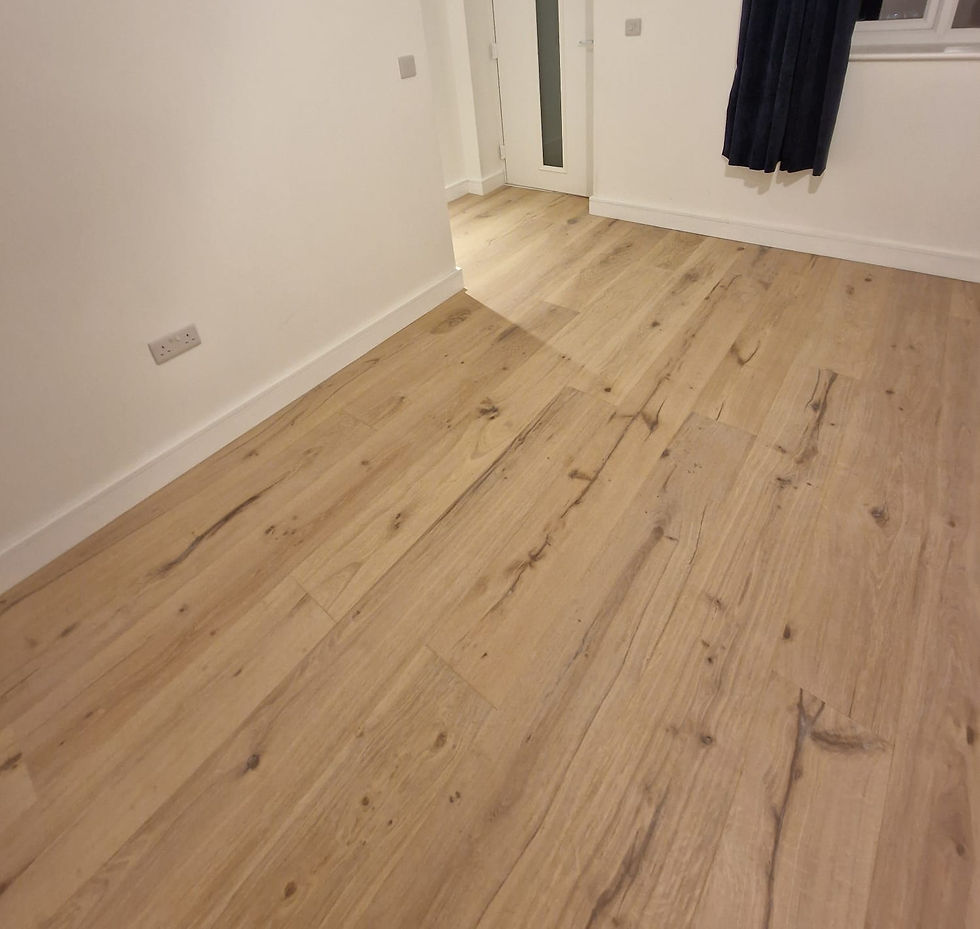
Wide plank flooring that highlights the wood’s natural character
Reclaimed wood floors that reuse old timber for a rustic look
Engineered wood for easy installation and durability
Wood flooring is also valued for its ability to improve indoor air quality by not trapping dust or allergens like carpets do.
Wood Flooring Around the World
Different cultures have contributed unique styles and techniques to wood flooring. For example:
In Japan, tatami mats traditionally covered floors, but wood flooring has become common in modern homes.
Scandinavian countries favour light-coloured woods like birch and pine, often finished with natural oils.
In the southern United States, heart pine floors from old-growth trees are prized for their rich colour and hardness.
These regional preferences reflect local resources and cultural aesthetics, showing how wood flooring adapts to diverse environments.

Why Wood Flooring Endures
Wood flooring’s long history proves its lasting appeal. It offers:
Timeless beauty that complements many interior styles
Durability that can last for generations with proper care
Comfort underfoot and natural insulation properties
Versatility in design, from rustic to contemporary
Choosing wood flooring connects a space to centuries of tradition while providing a practical, stylish surface.


Comments