
Understanding the Different Grades of Engineered Wood Flooring
Choosing the right engineered wood flooring can transform a home’s look and feel. But with so many options available, understanding the differences between engineered wood floor grades is essential. These grades affect the floor’s appearance, durability, and price. This guide breaks down the most common grades—select, original, rustic, and distressed—to help home designers, builders, and homeowners make informed decisions.
What Are Engineered Wood Floor Grades?
Engineered wood flooring consists of a top layer of real hardwood bonded to multiple layers of plywood or high-density fibreboard. The grade refers to the surface wood’s appearance, including colour variation, knots, and other natural features. These grades help categorize floors by their visual character and suitability for different styles and spaces.
Understanding engineered wood floor grades allows you to balance aesthetics with budget and maintenance needs. Each grade offers unique qualities that fit specific design goals.

Select Grade: Clean and Consistent
Select grade engineered wood flooring is the most uniform and refined option. It features minimal knots, colour variation, or imperfections. The wood surface is smooth and consistent, making it ideal for modern, minimalist, or formal interiors.
Key features of select grade:
Smooth texture with few natural marks
Consistent colour and grain pattern
Elegant, clean appearance
Suitable for high-end homes and commercial spaces
Select grade floors work well in rooms where a sleek, polished look is desired. For example, a contemporary living room with neutral tones benefits from the subtle beauty of select grade wood.
Original Grade: Natural and Balanced
Original grade flooring offers a natural look with moderate variation in colour and grain. It includes some small knots and minor imperfections that add character without overwhelming the design.
Characteristics of original grade:
Moderate colour variation
Small knots and natural markings
Balanced, warm appearance
Versatile for many interior styles
This grade suits homeowners who want a natural wood feel without the rustic or distressed look. It fits well in traditional or transitional homes, adding warmth and texture without being too busy.

Rustic Grade: Character and Texture
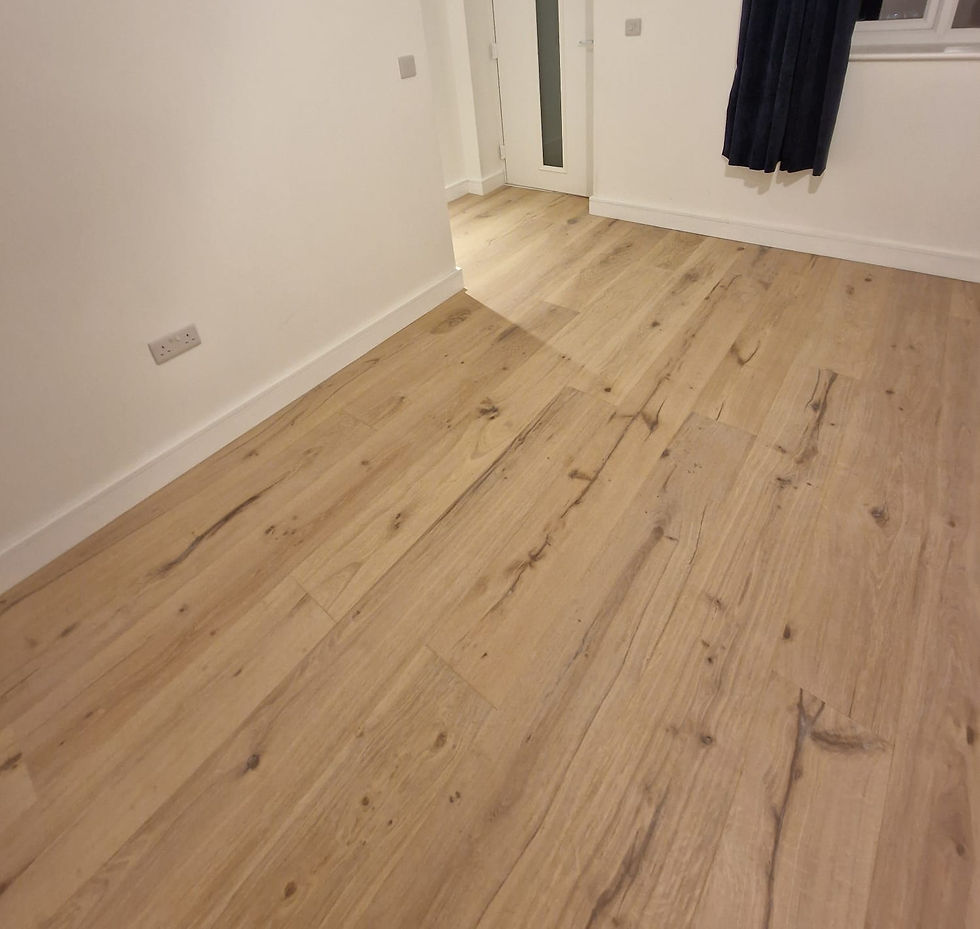
Rustic grade engineered wood flooring embraces the wood’s natural imperfections. It features larger knots, cracks, and colour variations that create a textured, lived-in look. This grade highlights the wood’s story and adds a cosy, inviting atmosphere.
Rustic grade highlights:
Prominent knots, cracks, and mineral streaks
Wide colour variation
Textured surface with natural character
Perfect for country, farmhouse, or cabin styles
Rustic floors work well in spaces aiming for a relaxed, organic vibe. For example, a mountain cabin or farmhouse kitchen benefits from the warmth and authenticity of rustic grade wood.

Distressed Grade: Vintage and Worn Look
Distressed grade engineered wood flooring mimics the appearance of reclaimed or antique wood. It features intentional marks such as dents, scratches, and wire brushing to create a weathered, vintage look.
Features of distressed grade:
Artificial wear marks and texture
Varied colour tones with aged appearance
Unique, character-rich surface
Ideal for industrial, vintage, or eclectic interiors
This grade suits homeowners and designers who want floors with personality and history. Distressed floors add depth and interest to loft apartments, cafes, or eclectic living spaces.
Choosing the Right Grade for Your Project
When selecting engineered wood floor grades, consider these factors:
Design style: Select grade fits modern and formal styles, while rustic and distressed suit casual or vintage looks.
Room use: High-traffic areas may benefit from rustic or distressed grades that hide wear better.
Budget: Select grade tends to be more expensive due to its flawless appearance. Rustic and distressed grades often cost less.
Maintenance: Floors with more texture and knots may require more care to keep clean.
For example, a family home with pets might choose rustic grade for its durability and ability to mask scratches. A luxury condo might opt for select grade to maintain a sleek, upscale feel.

Final Thoughts on Engineered Wood Floor Grades
Understanding engineered wood floor grades helps you pick the right flooring that fits your style, budget, and lifestyle. Select grade offers clean elegance, original grade balances natural beauty, rustic grade brings texture and warmth, and distressed grade adds vintage charm. Each grade tells a different story through wood’s natural or enhanced features.


Comments